Trending

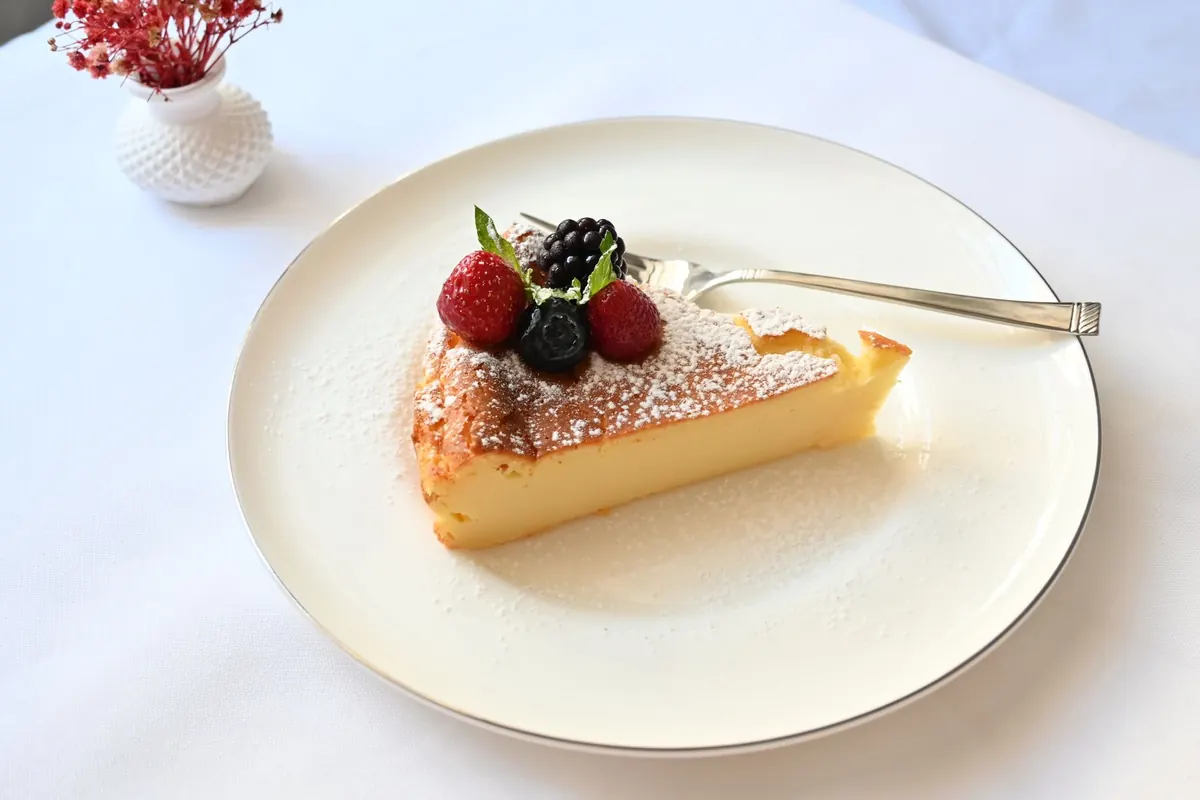
A summer berry custard tart is a dessert of restraint. A buttery shell, a cool vanilla custard, and fruit at its ripest — nothing else has to compete. It also happens to be one of the easiest showpieces to pull off in July and August, because nearly all the work happens ahead of time and none of it happens in a hot kitchen at the last minute. Make the shell in the morning, cook the custard while it cools, and assemble right before everyone sits down.
The best summer desserts are the ones you can make early and forget about. This tart bakes its shell for twenty minutes, then spends the rest of its life in the refrigerator. That matters when the temperature climbs and nobody wants to stand over a stove.
It is also a good host dessert. The custard sets firm enough to slice cleanly, so the tart travels to a picnic or a backyard table without slumping. And because the berries go on top rather than into the filling, you can pile them generously — a loosely heaped tart looks better than a precise one anyway.
Berries carry the whole tart, so buy them the way you would buy a tomato: by smell. If a punnet of strawberries doesn't smell like strawberries, it won't taste like much on top of custard either. Rinse gently and dry them well. Water clinging to the fruit is the fastest route to a soggy tart, and it dilutes the glaze.
A mix of two or three kinds usually beats a single variety, because you get tartness, sweetness, and a range of textures in every slice. Taste as you go. If the fruit is sharp, sweeten the custard a touch more; if it is very ripe and sweet, keep the custard restrained and add a squeeze of lemon to the berries.
Use a pâte sucrée or a good shortcrust, pressed or rolled into a tart pan with a removable bottom. Chill the lined shell for at least 30 minutes before baking — cold pastry holds its shape and shrinks less.
Line with parchment, fill with pie weights or dried beans, and bake at 375°F (190°C) for about 20 minutes. Remove the weights and parchment and bake another 10 to 15 minutes, until the pastry is an even, dry golden brown across the base. Pale pastry under custard goes soft within hours.
While the shell is still hot, brush the inside with melted white chocolate or lightly beaten egg white. Both cool into a thin, invisible barrier that keeps the custard from seeping into the crust. Let it cool completely before filling.
This is a pastry cream rather than a stirred stovetop custard. Cornstarch gives it the clean slice you want; egg yolks give it richness.
If the custard looks lumpy at any point, pull it off the heat, whisk hard for a few seconds, and return it to the burner. Straining at the end catches anything you missed.
Whisk the cold custard briefly to loosen it, then spoon it into the cooled shell and smooth the top with an offset spatula. Aim for an even layer about 3/4 inch deep. Chill for at least four hours, ideally overnight — the filling firms as it sits and needs that time to slice without sagging.
Wait to add the berries until an hour or two before serving. Arrange the larger fruit first, cut side down, then work inward and fill the gaps with smaller berries and currants. A light brushing of warmed apricot jam thinned with a spoonful of water gives the fruit a soft shine and seals the surface against weeping. Scatter a few small herb leaves — mint, lemon thyme, or basil — just before the tart goes to the table.
Plan the tart backwards from dessert. The shell and the custard can be made two days ahead and kept separately in the refrigerator. Assembly takes ten minutes, and chilling after that takes four hours. Topping is the final step.
Serve slices cold but not ice-cold — fifteen minutes out of the refrigerator brings the vanilla forward. Keep the tart refrigerated between servings rather than leaving it out on a warm afternoon.
Once the basics are in place, this tart becomes a template. Swap the vanilla for lemon zest and a spoonful of lemon liqueur. Fold a handful of crushed raspberries into the custard for a marbled filling. Replace the berries with poached apricots in June or sliced figs in September. And if you would rather skip blind baking entirely, press a crumb crust of crushed shortbread and melted butter into the pan, chill it firm, and spoon the custard straight in.
The pattern is simple: a cool, creamy base and fruit that tastes like the moment you bought it. Get those two right and the tart takes care of itself.
Photo: Hilal / Pexels