Trending

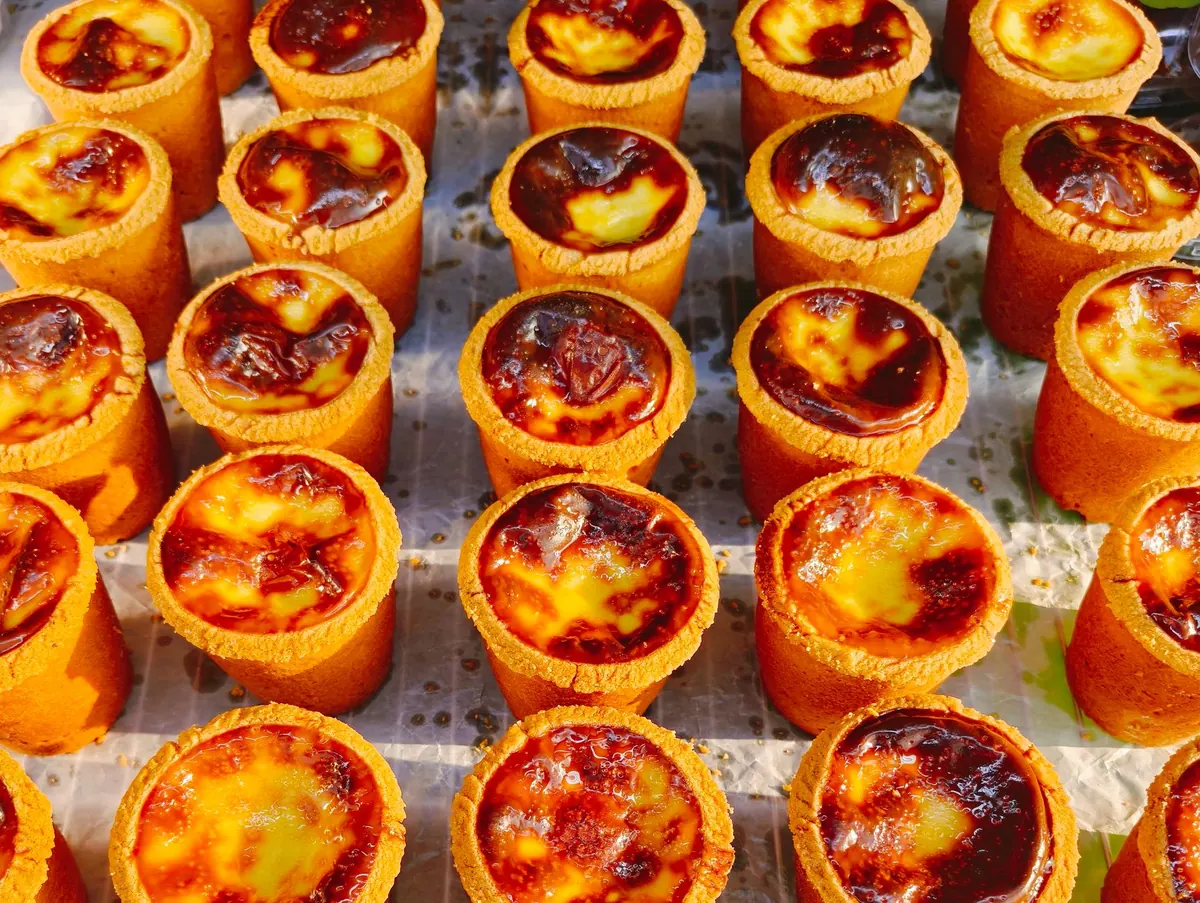
A custard is simple: eggs, dairy, sugar, and often vanilla. Yet two custards made from those same ingredients can end up as a pourable sauce or a sliceable dessert. The difference comes down to how they are cooked. Stovetop stirred custard is cooked in a pan with constant motion; oven-baked custard is cooked gently in a water bath. Once you understand how each one sets, you can choose the right one without guesswork.
Egg proteins coagulate when heated. In stirred custard, you control that heat with motion and, often, starch. Stirring keeps the proteins from forming a tight network, while starch thickens the mixture and adds insurance against curdling. The result is silky, spoonable, and sometimes pourable. In baked custard, heat comes from the oven and is softened by a water bath. The egg proteins set into a delicate gel. Whole eggs give firmness; extra yolks add richness. Baked custards usually skip starch entirely. Overheat either style and the proteins tighten, squeezing out liquid and turning grainy.
Stirred custard covers crème anglaise, pastry cream, lemon curd, and many pudding bases. You heat dairy with sugar and flavor, then slowly whisk it into yolks. Return everything to the pan and cook over medium-low heat, stirring constantly. Use a spatula to scrape the bottom and corners; those are the spots where eggs scramble first.
Look for nappe: the custard coats the back of a spoon, and a swipe through it leaves a clean line. If you use a thermometer, egg-thickened sauces are usually ready around 170–175°F. Pastry cream, which contains starch, will thicken earlier and needs a brief boil to activate the starch fully. Pull the pan off the heat the moment it reaches the right consistency. Strain for extra smoothness, then stir in butter or cold cream to stop the cooking. Cool with plastic wrap pressed to the surface.
Best uses: pouring sauce for berries, bread pudding, or cake; pastry cream for tarts, éclairs, and Boston cream pie; lemon curd for scones, layer cakes, and parfaits. Stirred custard also makes an excellent ice cream base. It will not slice; it is meant to be soft.
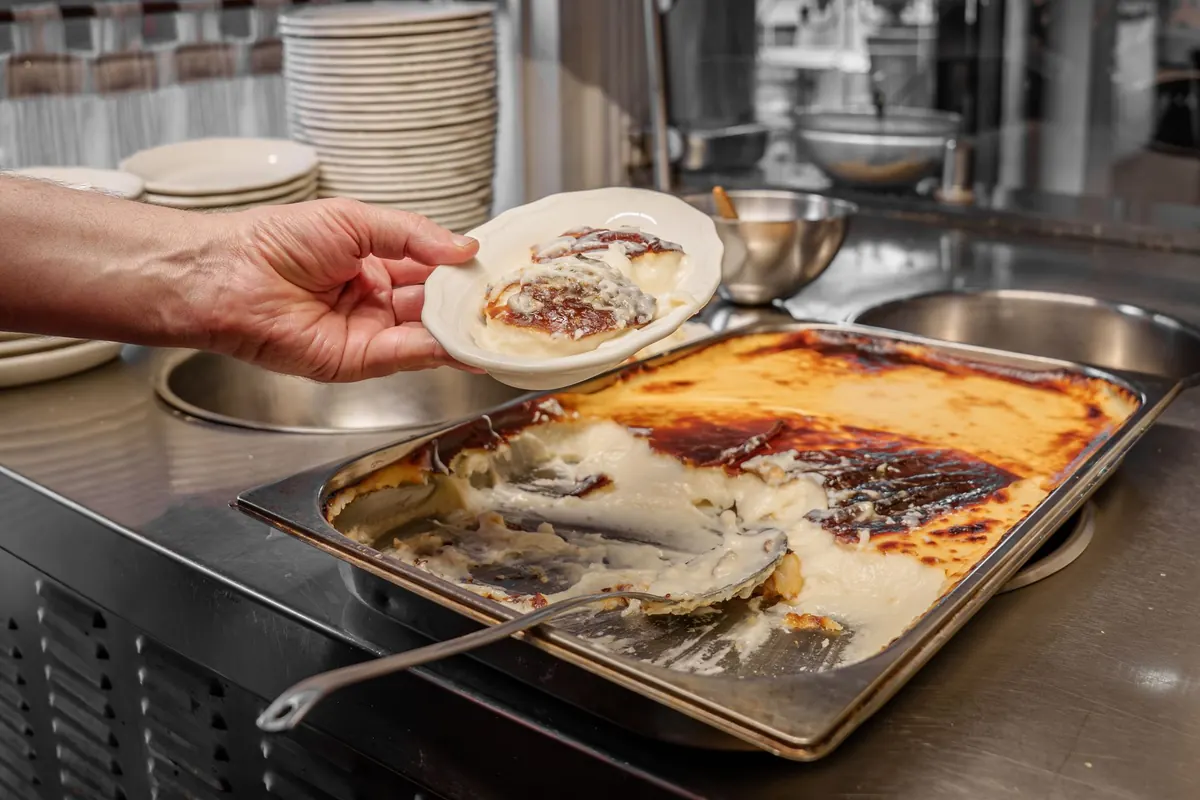
Baked custard starts in a similar way: whisk eggs, sugar, dairy, and flavor. Pour the mixture into ramekins or a pie shell. Set the dish in a water bath and bake at 325–350°F until the edge is set and the center jiggles like gelatin. The water bath moderates the temperature, so the proteins set slowly. There is no stirring and usually no starch. The result is smooth, sliceable, and often quite rich.
Use the jiggle test: the outer ring should look set, while the center wobbles when you nudge the pan. An instant-read thermometer should read around 170–175°F, but remove the custard before it hits 180°F. It will continue to cook as it cools. Overbaking leads to curdling, wateriness, or a rubbery texture. For crème brûlée or flan, you want just-set custard. Cool briefly in the bath, then chill.
Best uses: crème brûlée, pot de crème, flan, custard pie, bread pudding, and savory quiche. Baked custards hold their shape when sliced, which makes them reliable for plated desserts and pies. They can also be made ahead and chilled.
Choose stirred when the custard is a component or a sauce. If you want to drizzle, fold, layer, or fill, stirred custard is the right tool. It is also more forgiving if you need to adjust thickness: cook a bit longer for a thicker sauce, or add milk for a thinner one. Use baked when the custard is the star and needs to hold a shape. If you plan to unmold, slice, or brûlée a top, bake it. Baked custard also works better for pies and ramekins you want to serve cold and neat.
Some desserts blur the line. Bread pudding is a baked custard with bread folded in. Ice cream base is a stirred custard that gets churned. Pastry cream is usually cooked on the stovetop and added after baking, not baked into a tart. Knowing which family your recipe belongs to helps you avoid the wrong technique.
If you are new to custard, start with a stirred sauce. It
Photo: rk_benjlenses / Pexels